
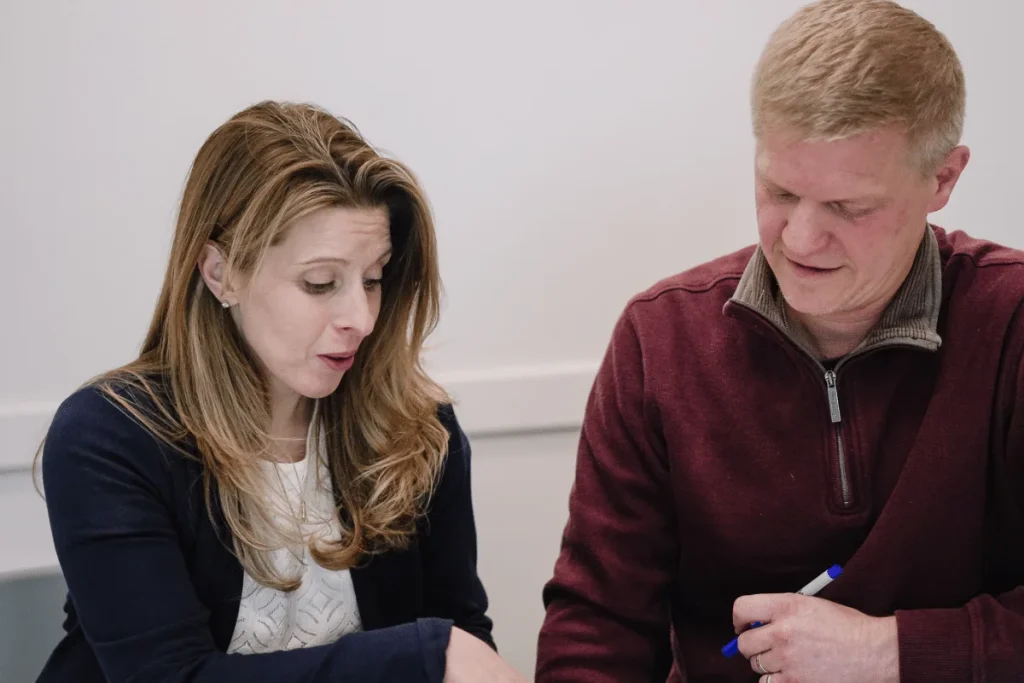
High ticket coaching sales closers are the driving force behind premium coaching programs, bridging the gap between coaches and clients willing to invest significant resources into personal or professional growth. These closers are not simply salespeople; they are strategic communicators who understand the psychology of high-value clients and can articulate the unique benefits of coaching programs with clarity and persuasion. Unlike traditional sales roles, high ticket coaching sales closers require a combination of empathy, expertise, and confidence to navigate conversations that often involve large financial commitments. They must quickly establish credibility, build rapport, and identify client pain points while maintaining a professional and authentic tone. Their approach focuses on consultative selling rather than hard selling, ensuring that every interaction adds value to the potential client. High ticket coaching sales closers also understand that the stakes are higher, meaning a single interaction can either secure a transformational client or damage a brand’s reputation. Mastering these skills requires continuous practice, training, and a commitment to understanding both the coaching program and the client’s unique goals.
High ticket coaching sales closers play a vital role in the coaching industry, often determining the financial success of a program. Coaches and program creators typically excel at content creation and mentorship but may lack the specialized skills to close high-value deals consistently. Closers complement coaches by focusing on converting leads into paying clients while maintaining trust and professionalism. In this dynamic, closers are often seen as brand ambassadors who embody the program’s values and communicate its benefits in a compelling way. Building trust is essential, especially when clients are considering investments that can range from thousands to tens of thousands of dollars. Closers must understand client motivations and address objections in real time while preserving the integrity of the coaching program. Their ability to foster authentic connections often translates into higher conversion rates and long-term relationships, making them indispensable to premium coaching businesses.
The skills required for high ticket coaching sales closers go beyond traditional sales techniques. Active listening is paramount, as understanding a client’s specific challenges allows closers to tailor their pitch effectively. Consultative selling ensures that conversations focus on solutions and transformation rather than simply the cost of the program. Successful closers excel in handling objections, turning potential hesitations into opportunities to demonstrate value. Rapport-building is another critical skill, enabling closers to connect on a personal and emotional level with clients. Storytelling plays a strategic role in conveying program benefits in a memorable and engaging way, often illustrating real-world transformations without exaggeration. High ticket sales closers also need negotiation skills to align client expectations with program offerings, ensuring deals are mutually beneficial without devaluing the service. Continuous practice and skill refinement ensure that closers remain adaptable to various client personalities and sales scenarios.
A well-structured high ticket sales process is essential for coaching programs aiming for consistent revenue growth. The process begins with lead generation and qualification, where closers identify prospects most likely to benefit from and invest in the program. Initial discovery calls focus on uncovering client goals, pain points, and readiness to commit to a high-value solution. Following this, closers present the program in a personalized way, emphasizing tangible outcomes and long-term benefits. Handling objections effectively during these calls ensures that concerns are addressed without pressuring clients, maintaining a professional and empathetic approach. The closing stage often involves follow-ups and reiteration of program value to convert prospects into clients confidently. High ticket coaching sales closers are adept at guiding clients through this process smoothly, creating a seamless and supportive experience that reflects positively on the coach and the program.
Technology plays a significant role in empowering high ticket coaching sales closers. Customer relationship management (CRM) systems allow closers to organize leads, track communication history, and prioritize high-potential prospects efficiently. Scheduling tools and automated reminders ensure follow-ups are timely, reducing the risk of losing interested clients due to delays. Analytics platforms provide insights into conversion rates, enabling closers to optimize their approach based on real-time data. Pre-written scripts and templates designed for high-ticket offers provide a foundation while allowing flexibility for personalized conversations. Video conferencing and virtual meeting tools have become essential, particularly for remote closers managing clients across different regions. Leveraging these tools ensures that closers can operate at peak efficiency while maintaining a high level of client engagement.
High ticket coaching sales closers face unique challenges that require strategic problem-solving. One common obstacle is addressing client hesitation regarding premium pricing. Prospective clients may struggle to see the immediate value, and closers must articulate the program benefits effectively without sounding pushy. Long sales cycles can test patience, requiring consistent follow-ups and relationship nurturing. Balancing empathy with assertiveness ensures that clients feel supported while understanding the value of investing in themselves. Closers also face the risk of burnout due to the mental and emotional demands of high-value interactions. Handling multiple high-stakes conversations simultaneously requires discipline, resilience, and proper time management. Navigating these challenges successfully separates top-performing closers from those who struggle in high ticket environments.
Becoming a successful high ticket coaching sales closer requires intentional strategy and ongoing skill development. Continuous training in consultative selling techniques keeps closers sharp and adaptable to different client scenarios. Role-playing with peers or mentors can simulate challenging conversations and improve response strategies. Building a personal brand that aligns with the values of the coaching program enhances credibility and attracts premium clients organically. Leveraging social proof, such as client testimonials or program endorsements, strengthens trust and confidence in potential clients. Additionally, monitoring performance metrics like conversion rates, average deal size, and client satisfaction allows closers to refine their approach and maintain peak effectiveness. Persistence, adaptability, and a commitment to delivering value remain essential traits for high ticket coaching sales closers seeking long-term success.
Measuring performance for high ticket coaching sales closers goes beyond simply counting closed deals. Key performance indicators include lead-to-client conversion rates, revenue generated, and client engagement levels. Understanding client lifetime value provides insight into the long-term impact of high ticket sales strategies. Tracking the effectiveness of discovery calls, follow-ups, and closing techniques allows closers to identify areas for improvement. Data-driven adjustments ensure that sales approaches evolve with changing market conditions and client preferences. High-performing closers also monitor client satisfaction and retention, which reflect both the immediate and sustained value of the coaching program. By focusing on measurable outcomes, high ticket coaching sales closers can consistently enhance performance and contribute significantly to the growth of premium coaching businesses.
Frequently Asked Questions (FAQ)
Q1: What qualifies as a “high ticket” coaching program?
High ticket coaching programs are typically those priced at several thousand dollars or more, offering specialized expertise, personalized support, or significant transformation outcomes.
Q2: Do high ticket coaching sales closers need prior sales experience?
While previous sales experience is helpful, the most critical skills include empathy, consultative selling ability, and strong communication. Training specific to high-ticket environments can accelerate proficiency.
Q3: Can high ticket closers work remotely?
Yes, many high ticket coaching sales closers operate remotely, using video calls, CRM systems, and digital tools to manage leads and conduct sales conversations globally.
Q4: How do closers maintain trust without pressuring clients?
By focusing on consultative selling, understanding client goals, and presenting solutions with transparency and integrity, closers build trust while allowing clients to make informed decisions.
Q5: What tools are essential for high ticket coaching sales closers?
CRMs, scheduling tools, automated reminders, video conferencing software, and analytics platforms are vital for managing leads efficiently and optimizing the sales process.
Takeaway: High ticket coaching sales closers are more than just sales professionals—they are strategic partners who amplify the success of coaching programs. Their ability to combine empathy, persuasion, and technical skills ensures clients feel valued and confident in their investment. By mastering the sales process, leveraging technology, and continuously refining their approach, high ticket coaching sales closers can consistently convert prospects into premium clients while building lasting relationships. For coaches aiming to scale, investing in skilled closers is often the difference between average results and extraordinary growth.