
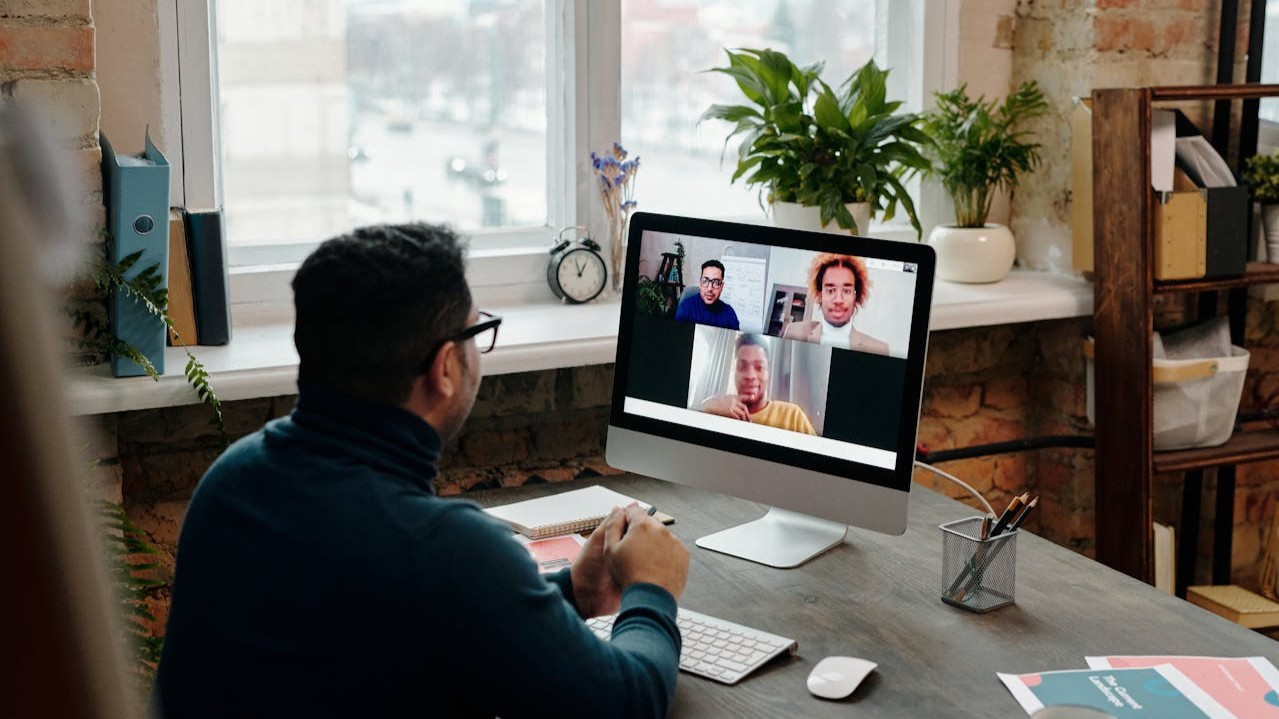
Modern businesses are operating in a marketplace where speed, personalization, and convenience influence nearly every buying decision. Customers no longer want long waiting periods, hard-selling tactics, or complicated buying processes. They expect quick responses, informative conversations, and seamless virtual interactions. This shift has created a growing demand for remote inbound sales closers who can engage qualified leads and convert them into paying customers from virtually anywhere in the world.
Companies across industries are now investing heavily in remote sales operations because inbound leads already show interest before speaking with a closer. These prospects may come from paid advertising campaigns, webinars, landing pages, referrals, social media, or organic search traffic. Instead of chasing cold prospects, remote inbound sales closers focus on helping interested buyers make informed purchasing decisions. This approach creates a smoother customer experience while increasing conversion rates for businesses.
The rise of remote work has also made it easier for companies to hire highly skilled sales professionals from global markets like the USA, UK, Canada, Australia, UAE, and Singapore. Businesses are no longer limited by local hiring restrictions, allowing them to build flexible and scalable sales teams capable of handling leads around the clock. As competition continues to increase in digital markets, companies that invest in experienced inbound closers gain a significant advantage in customer acquisition and revenue growth.
Why Remote Inbound Sales Closers Are Essential in Modern Business
Digital transformation changed the way businesses communicate with potential buyers. Customers now spend time researching products, reading reviews, watching videos, and comparing services before scheduling a sales call. By the time they speak with a sales closer, they are already aware of the product or service being offered. This makes inbound sales conversations more focused, productive, and conversion-oriented.
Remote inbound sales closers help bridge the gap between marketing efforts and completed sales. Marketing teams generate leads through campaigns and content, while closers guide prospects toward purchasing decisions. Without skilled closers, businesses risk losing qualified leads who may become distracted, uncertain, or attracted to competitors. A fast and professional sales process keeps momentum strong and improves customer confidence.
Businesses also benefit from the operational flexibility that remote sales teams provide. Instead of maintaining large office spaces and in-house staffing expenses, companies can scale their sales operations more efficiently using distributed remote teams. This allows organizations to adapt quickly during periods of growth or market changes.
Another major reason remote inbound sales closers are valuable is the increasing demand for personalized customer experiences. Buyers want to feel understood rather than pressured. Skilled closers focus on identifying pain points, understanding customer goals, and presenting customized solutions that align with specific needs. This consultative approach creates stronger trust and higher long-term customer satisfaction.
Companies operating internationally also benefit from expanded coverage across multiple time zones. Businesses serving customers in North America, Europe, Asia, and the Middle East can maintain continuous sales support through remote closers located in different regions. Faster response times often translate into higher conversion rates because interested prospects receive immediate assistance.
Remote sales environments also encourage the use of modern sales technologies that improve productivity and tracking. CRM systems, scheduling tools, automation platforms, and analytics software provide better visibility into sales performance. Businesses can monitor lead flow, conversion metrics, and customer interactions in real time.
As online competition continues to grow, businesses that respond quickly and professionally to inbound inquiries are more likely to stand out. Remote inbound sales closers play a direct role in helping brands maintain strong customer engagement while driving sustainable revenue growth.
What Remote Inbound Sales Closers Actually Do
Remote inbound sales closers handle conversations with prospects who already expressed interest in a product or service. These leads are typically warmer than cold outbound prospects because they voluntarily engaged with the business through a form submission, consultation booking, webinar registration, or inquiry.
One of the primary responsibilities of inbound closers is qualifying leads. Not every inquiry is ready to buy immediately, so closers must determine the prospect’s goals, budget, timeline, and level of interest. Effective qualification prevents wasted time and allows sales teams to prioritize the best opportunities.
Remote inbound sales closers also conduct virtual consultations through phone calls, video meetings, or messaging platforms. During these conversations, they gather information about customer challenges and explain how the company’s solution can help. Strong communication skills are essential because the closer must create trust without meeting the customer face-to-face.
Another important responsibility involves handling objections professionally. Prospects may hesitate due to pricing concerns, uncertainty, timing, or comparisons with competitors. Experienced closers address these concerns calmly while reinforcing the value of the product or service. The goal is not aggressive persuasion but helping the buyer feel confident in their decision.
Daily tasks commonly performed by remote inbound sales closers include:
-
Responding to inbound inquiries quickly
-
Conducting discovery and qualification calls
-
Presenting customized solutions
-
Managing follow-up communication
-
Updating CRM systems and sales pipelines
-
Coordinating appointments and schedules
-
Collaborating with marketing and customer support teams
Remote closers also help businesses maintain consistency in customer interactions. Every lead should receive professional communication regardless of where the closer is located. This consistency strengthens brand reputation and improves customer trust.
Many inbound sales closers specialize in high-ticket offers such as coaching programs, consulting services, SaaS subscriptions, healthcare programs, or premium business solutions. These transactions often require deeper conversations because customers are making larger financial commitments.
By focusing on relationship-driven communication, remote inbound sales closers help businesses create a smoother buying experience while improving conversion performance.
Core Skills Every Remote Inbound Sales Closer Needs
Successful remote inbound sales closers possess a combination of communication abilities, emotional intelligence, organization, and technical expertise. Since remote sales interactions rely heavily on virtual communication, closers must know how to create trust quickly through conversations.
Active listening is one of the most valuable skills in inbound sales. Prospects want to feel heard and understood before making purchasing decisions. Closers who listen carefully can identify customer motivations, frustrations, and goals more effectively. This information allows them to position solutions more accurately.
Strong communication skills are equally important. Remote inbound sales closers must explain complex ideas clearly while maintaining engaging conversations. Their tone should feel confident, professional, and approachable rather than robotic or overly scripted.
Emotional intelligence also plays a major role in sales performance. Every prospect communicates differently, and skilled closers know how to adapt their communication style accordingly. Some buyers prefer direct facts, while others need reassurance and detailed explanations before moving forward.
Time management is another critical skill because remote closers often handle multiple leads simultaneously. Organized workflows help ensure that follow-ups happen consistently and opportunities do not fall through the cracks. Delayed responses can significantly reduce conversion rates in competitive industries.
Technical proficiency has become increasingly important in modern sales environments. Remote inbound sales closers regularly use CRM platforms, scheduling software, communication tools, and analytics systems. Familiarity with these technologies improves efficiency and reporting accuracy.
Important skills for remote inbound sales closers include:
-
Consultative selling techniques
-
Objection handling strategies
-
Relationship-building communication
-
Virtual presentation abilities
-
CRM management
-
Lead qualification expertise
-
Negotiation skills
-
Remote productivity discipline
Adaptability also separates average closers from high-performing professionals. Sales trends, buyer expectations, and communication technologies continue evolving rapidly. Closers who continuously improve their skills remain more competitive and valuable to employers.
Businesses looking to hire remote inbound sales closers should prioritize candidates who combine technical sales knowledge with strong interpersonal communication. The ability to connect authentically with prospects often determines whether a deal closes successfully.
Industries That Benefit Most From Remote Inbound Sales Closers
Many industries rely heavily on inbound lead generation, making remote inbound sales closers an essential part of their revenue operations. Companies that offer premium products or services often require skilled closers who can guide buyers through detailed purchasing decisions.
The coaching and consulting industry is one of the largest users of inbound sales closers. Coaches and consultants frequently generate leads through webinars, social media content, podcasts, and paid advertising campaigns. Closers then convert interested prospects into long-term clients through strategy calls and consultations.
Software-as-a-service companies also benefit greatly from remote inbound sales teams. SaaS buyers often request demos, free trials, or consultations before committing to subscriptions. Closers help explain product features, answer technical questions, and demonstrate long-term value.
Healthcare and wellness businesses increasingly rely on remote inbound sales processes as well. Clinics, wellness programs, and therapy providers use inbound sales teams to handle inquiries, educate prospects, and coordinate enrollment processes. Since customers often seek reassurance before making healthcare decisions, relationship-driven communication becomes especially important.
Industries that commonly hire remote inbound sales closers include:
-
SaaS and technology companies
-
Coaching and consulting businesses
-
Healthcare and wellness providers
-
Real estate firms
-
Marketing agencies
-
Financial service companies
-
E-commerce brands with premium offers
-
Online education platforms
Real estate companies also use remote closers to qualify buyers, investors, and renters. Virtual property tours and online consultations allow real estate professionals to serve clients across different geographic locations efficiently.
Marketing agencies benefit from inbound sales closers because agency services often require customized discussions about business goals, advertising budgets, and long-term strategies. Skilled closers help convert interested leads into recurring clients.
As digital business models continue expanding globally, more industries are recognizing the value of specialized remote inbound sales professionals.
Benefits of Hiring Remote Inbound Sales Closers
One of the biggest advantages of hiring remote inbound sales closers is improved lead conversion. Businesses spend significant resources generating leads through marketing campaigns, and effective closers help maximize return on investment by converting more prospects into customers.
Remote hiring also provides access to a larger talent pool. Companies are no longer limited to hiring within a single city or country. Businesses can recruit experienced sales professionals from global markets while building diverse and flexible teams.
Operational cost savings are another major benefit. Remote sales teams reduce expenses related to office space, utilities, equipment, and commuting. These savings allow businesses to allocate more resources toward marketing, technology, or customer support initiatives.
Another advantage involves scalability. Businesses experiencing rapid growth can expand remote sales teams more quickly than traditional in-office operations. Flexible staffing models make it easier to handle increased lead volume during promotional campaigns or seasonal demand spikes.
Key advantages of remote inbound sales closers include:
-
Faster response times to inquiries
-
Increased customer engagement
-
Reduced operational expenses
-
Expanded international sales coverage
-
Improved scalability
-
Access to specialized expertise
-
Better flexibility across time zones
-
Stronger customer relationships
Remote sales environments also encourage performance-based accountability. Businesses can track metrics such as close rates, appointment attendance, follow-up activity, and revenue generation more accurately using digital reporting tools.
Customer experience also improves when businesses respond quickly and professionally to inbound inquiries. Prospects who receive immediate assistance are more likely to trust the company and move forward with purchasing decisions.
As companies continue expanding into international markets such as the USA, UK, Canada, Australia, UAE, and Singapore, remote inbound sales closers provide the flexibility needed to support global customer bases effectively.
Best Practices for Managing Remote Inbound Sales Teams
Managing remote sales teams successfully requires structure, communication, and consistent performance tracking. Businesses that establish clear processes often achieve better results while maintaining strong team collaboration.
Setting clear expectations is one of the most important management practices. Remote inbound sales closers should understand performance goals, communication standards, and reporting requirements from the beginning. Clear KPIs help maintain accountability and motivation.
Regular training sessions are also essential because sales environments change rapidly. Businesses should provide continuous coaching on objection handling, product updates, communication strategies, and industry trends. Ongoing learning helps closers remain competitive and confident.
Communication systems must remain organized in remote environments. Team meetings, messaging platforms, and CRM updates help ensure alignment between sales, marketing, and customer support departments. Consistent communication reduces misunderstandings and improves operational efficiency.
Important management practices include:
-
Establishing measurable sales KPIs
-
Providing regular sales coaching
-
Using CRM systems consistently
-
Monitoring conversion metrics
-
Encouraging collaboration across departments
-
Conducting performance reviews
-
Standardizing sales communication processes
Technology also plays a major role in remote sales management. CRM platforms provide visibility into pipeline activity, follow-up schedules, and conversion performance. Managers can identify strengths, weaknesses, and improvement opportunities more effectively using real-time analytics.
Businesses should also focus on maintaining strong company culture even within remote environments. Recognition programs, collaborative meetings, and team support contribute to better morale and productivity.
When remote inbound sales closers feel supported and aligned with company goals, they are more likely to deliver strong performance and build positive customer relationships.
Future Trends Shaping Remote Inbound Sales Closers
The future of inbound sales continues evolving alongside advancements in technology and buyer behavior. Artificial intelligence is becoming increasingly integrated into sales operations, helping teams automate repetitive tasks while improving personalization.
AI-powered tools can assist with lead scoring, customer insights, follow-up reminders, and conversation analysis. These technologies help remote inbound sales closers focus more on relationship-building activities rather than administrative tasks.
Personalization will continue becoming more important in inbound sales environments. Customers expect tailored experiences based on their goals, preferences, and previous interactions. Closers who understand buyer psychology and personalization techniques will remain highly valuable.
Another growing trend involves specialized sales expertise. Businesses increasingly seek closers with experience in specific industries or high-ticket niches. Specialized knowledge allows sales professionals to communicate more effectively with targeted customer groups.
Emerging trends in remote inbound sales include:
-
Increased automation and analytics
-
Growth of global remote teams
-
Industry-specific sales specialization
-
Enhanced virtual communication tools
-
Data-driven sales optimization
-
Personalized customer engagement strategies
Remote work itself is also expected to remain a permanent part of modern sales operations. Businesses recognize the flexibility, scalability, and cost advantages associated with distributed teams.
Global hiring opportunities will likely continue expanding as companies prioritize performance over geographic location. This trend creates new opportunities for both businesses and remote sales professionals worldwide.
Companies that adapt to evolving customer expectations while investing in skilled remote inbound sales closers will remain better positioned for long-term growth in competitive digital markets.
FAQ About Remote Inbound Sales Closers
What does a remote inbound sales closer do?
A remote inbound sales closer communicates with qualified leads who already expressed interest in a product or service. Their role involves guiding prospects through the buying process and converting inquiries into paying customers.
How are inbound sales closers different from outbound sales representatives?
Inbound closers work with warm leads who initiated contact with the business, while outbound sales representatives actively reach out to cold prospects who may not be familiar with the company.
What industries hire remote inbound sales closers the most?
Industries such as SaaS, coaching, consulting, healthcare, real estate, digital marketing, and online education frequently hire remote inbound sales closers.
What skills are most important for remote inbound sales closers?
Important skills include communication, active listening, objection handling, emotional intelligence, CRM management, consultative selling, and time management.
Can remote inbound sales closers work internationally?
Yes. Many businesses hire remote sales professionals globally to support customers across multiple time zones including the USA, UK, Canada, Australia, UAE, and Singapore.
What tools do remote inbound sales closers use?
Common tools include CRM software, scheduling platforms, video conferencing applications, sales automation systems, and analytics dashboards.
Why do businesses prefer remote sales teams?
Remote teams provide flexibility, lower operational costs, access to international talent, scalability, and improved time zone coverage for customer support.
How do businesses measure remote sales performance?
Performance is commonly measured using metrics such as conversion rates, revenue generated, appointment attendance, response times, and customer retention.
Takeaway
Remote inbound sales closers have become an essential part of modern business growth strategies. As companies continue expanding digital operations and targeting global audiences, skilled remote sales professionals help transform qualified leads into long-term customers through personalized and consultative communication. Businesses benefit from improved scalability, reduced overhead costs, faster response times, and access to worldwide sales talent. Industries ranging from SaaS and healthcare to coaching and real estate increasingly rely on inbound sales teams to strengthen customer relationships and increase revenue performance. Companies that invest in structured remote sales systems, ongoing training, and customer-focused communication are better positioned to compete successfully in today’s fast-moving digital marketplace.