
The Rising Demand for Remote High Ticket Closing Jobs
Remote high ticket closing jobs have surged in popularity as businesses continue shifting toward online sales models and digital service delivery. Companies across industries are increasingly selling premium products and services, often priced at thousands of dollars, which require skilled professionals to guide prospects through the buying process. This shift has created a powerful demand for closers who can operate effectively from anywhere in the world. As a result, individuals in markets like the USA, UK, Canada, Australia, UAE, and Singapore are finding opportunities that were once limited to in-person sales environments.
The appeal of these roles extends far beyond income potential, although that remains a major factor. Remote work flexibility allows closers to design their schedules, choose their working environments, and eliminate the need for commuting. Additionally, the scalability of digital businesses means that a single closer can handle leads from multiple regions, increasing earning potential. Businesses benefit as well, as they can hire top talent globally without geographic limitations. This combination of freedom, income, and global reach has made remote high ticket closing jobs one of the most attractive career paths in modern sales.
What Remote High Ticket Closing Jobs Actually Involve
At its core, remote high ticket closing involves selling premium offers, typically priced at $2,000 or more, through virtual communication channels. These roles require closers to engage with pre-qualified leads, often through scheduled calls, and guide them toward making a confident purchasing decision. Unlike traditional sales roles that may rely heavily on cold outreach, many high ticket closers work with inbound leads who have already expressed interest. This shifts the focus from convincing someone to buy toward helping them determine if the offer is the right fit.
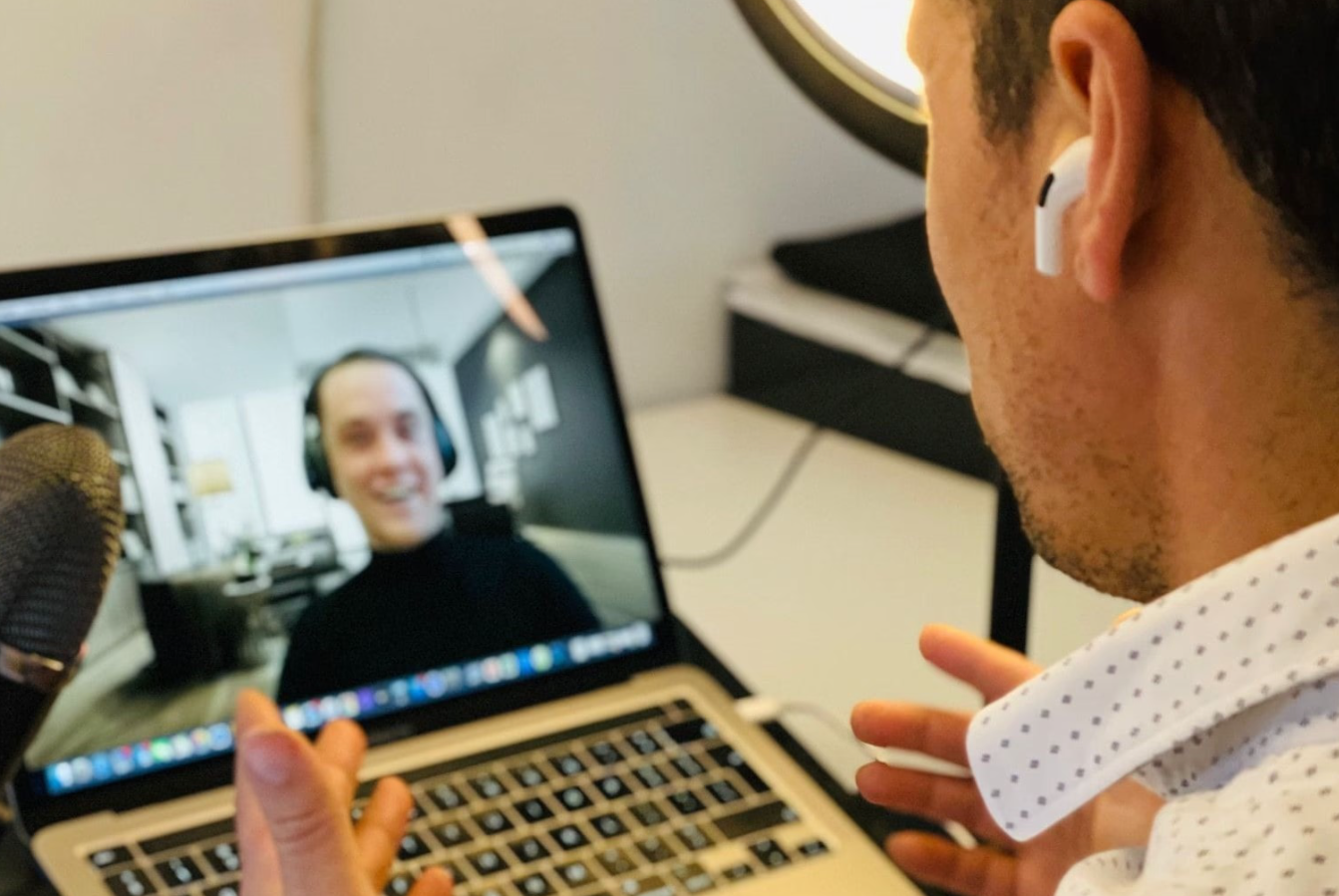
A typical day involves conducting discovery calls, understanding the prospect’s goals and challenges, and presenting solutions in a clear and compelling way. Closers must also handle objections with professionalism, ensuring that concerns are addressed without applying unnecessary pressure. The process often includes follow-ups, relationship building, and maintaining accurate records in CRM systems. Because everything happens remotely, communication skills become even more critical, as tone, clarity, and empathy must be conveyed through screens rather than in-person interactions. This role blends psychology, communication, and strategy into a highly dynamic profession.
Industries That Hire Remote High Ticket Closers
A wide range of industries rely on remote high ticket closing jobs to drive revenue and growth. One of the most prominent sectors is online coaching and consulting, where experts sell programs designed to help clients achieve specific outcomes. These offers often carry premium pricing due to their personalized nature and high perceived value. Similarly, SaaS companies depend on skilled closers to convert prospects into long-term subscribers, especially for enterprise-level solutions.
Digital marketing agencies also hire closers to secure high-value clients seeking comprehensive marketing strategies. The e-learning industry has seen explosive growth, with course creators offering premium training programs that require skilled sales professionals to convert interested learners. Luxury services, such as high-end travel planning or specialized professional services, also rely on high ticket closers to maintain brand positioning while securing clients. As global markets expand, companies increasingly look for closers who can work across time zones and communicate effectively with diverse audiences, further broadening the scope of opportunities.
Essential Skills Needed to Succeed in Remote High Ticket Closing Jobs
Success in remote high ticket closing jobs depends on mastering a combination of interpersonal and technical skills. Communication stands at the forefront, as closers must build trust quickly and convey value clearly within limited timeframes. Active listening plays a crucial role, allowing professionals to understand not just what prospects say, but what they truly need. This skill enables closers to tailor their approach and present solutions that resonate on a deeper level.
Sales psychology is another critical component, as understanding buyer behavior helps closers guide conversations effectively. Emotional triggers often influence purchasing decisions, and recognizing these can significantly improve closing rates. Objection handling requires both confidence and empathy, ensuring that concerns are addressed without creating resistance. Technical proficiency is equally important, as remote closers rely on tools like CRM platforms, video conferencing software, and scheduling systems to manage their workflows. Time management and self-discipline are essential, especially when working across multiple time zones. Continuous learning remains a key factor, as top performers consistently refine their skills and adapt to evolving market trends.
Income Potential and Compensation Structures
One of the most compelling aspects of remote high ticket closing jobs is the potential for substantial earnings. Compensation structures typically revolve around commissions, often ranging from 10% to 20% per sale. For example, closing a $5,000 deal could result in a commission of $500 to $1,000, depending on the agreement. This means that even a modest number of successful deals each month can generate significant income.
Some roles also include a base salary combined with commission, providing additional stability while maintaining performance incentives. Beginners may start with lower earnings as they develop their skills, but experienced closers can reach six-figure incomes or more. The quality of the offer, the volume of leads, and the closer’s conversion rate all play a role in determining overall earnings. Global opportunities further enhance income potential, as closers can work with clients in high-value markets regardless of their location. This performance-driven model rewards skill, consistency, and dedication.
Advantages of Remote High Ticket Closing Jobs
Remote high ticket closing jobs offer a range of benefits that make them highly appealing to professionals seeking flexibility and growth. The ability to work from anywhere allows individuals to design a lifestyle that aligns with their personal preferences. This level of freedom is particularly attractive for those who value travel or wish to avoid traditional office environments. Additionally, the earning potential far exceeds many conventional roles, especially for those who excel in sales.
Another advantage lies in the opportunity for personal development. Sales is a skill that extends beyond professional contexts, influencing communication, negotiation, and relationship-building in everyday life. Working with global clients also provides exposure to different cultures and business practices, enhancing adaptability and perspective. The scalability of income ensures that effort directly correlates with results, creating a strong sense of control over financial outcomes. These factors combine to make remote high ticket closing jobs a compelling career choice for ambitious individuals.
Challenges You Should Be Prepared For
While the benefits are substantial, remote high ticket closing jobs also come with challenges that require careful consideration. Income variability can be a significant factor, particularly for those relying solely on commission-based structures. This requires strong financial planning and the ability to remain consistent even during slower periods. Rejection is another inherent aspect of sales, and maintaining resilience is essential for long-term success.
Working across time zones can present scheduling difficulties, especially when dealing with clients in multiple regions. This may require adjusting working hours to accommodate different markets. The need for continuous improvement can also be demanding, as staying competitive requires ongoing learning and adaptation. Burnout is a potential risk, particularly for those who push themselves to maximize earnings without maintaining balance. Recognizing these challenges and developing strategies to address them is crucial for sustaining success in this field.
How to Get Started in Remote High Ticket Closing Jobs
Breaking into remote high ticket closing jobs requires a strategic approach that combines learning, practice, and networking. Building foundational knowledge is the first step, which involves understanding sales frameworks and studying proven techniques. Many aspiring closers invest time in training programs or self-study to develop their skills. Practical experience is equally important, as role-playing and mock calls help build confidence and refine communication abilities.
Creating a strong personal brand can significantly enhance opportunities. This includes optimizing online profiles, showcasing professionalism, and demonstrating a clear understanding of sales principles. Networking plays a vital role, as many opportunities arise through connections with business owners and industry professionals. Applying to relevant roles and consistently improving performance increases the likelihood of securing high-quality positions. Persistence and dedication are key, as success often comes from continuous effort and refinement.
Key Steps to Accelerate Your Progress
-
Practice sales conversations daily to build confidence and fluency
-
Study top-performing closers and analyze their techniques
-
Invest in tools that improve productivity and organization
-
Seek feedback from mentors or experienced professionals
-
Focus on building genuine relationships with prospects
-
Track performance metrics to identify areas for improvement
-
Stay consistent even when results are not immediate
Tools and Technology Every Remote Closer Should Use
Technology plays a central role in the success of remote high ticket closing jobs. CRM platforms are essential for managing leads, tracking interactions, and maintaining organized records. Video conferencing tools enable face-to-face communication, which is critical for building trust and rapport. Scheduling software simplifies the booking process, ensuring that calls are arranged efficiently without unnecessary back-and-forth communication.
Communication platforms allow teams to collaborate effectively, even when working remotely across different locations. Analytics tools provide valuable insights into performance, helping closers identify trends and refine their strategies. Mastering these tools not only improves efficiency but also enhances professionalism, making a strong impression on clients. As technology continues to evolve, staying updated with the latest tools can provide a competitive edge in the market.
Daily Workflow of a Successful Remote High Ticket Closer
A typical day in remote high ticket closing jobs involves a structured yet flexible workflow designed to maximize productivity. Preparation is a crucial component, as reviewing leads and understanding their backgrounds ensures more effective conversations. Sales calls form the core of daily activities, where closers engage with prospects, uncover needs, and present solutions. Each call requires focus, adaptability, and strong communication skills.
Follow-ups are equally important, as many deals require multiple touchpoints before reaching a decision. Tracking metrics such as conversion rates and call performance helps identify areas for improvement. Continuous learning is often integrated into daily routines, whether through training sessions, reviewing recordings, or studying new techniques. Maintaining a balance between work and personal life is essential, as this ensures sustained performance over time. This structured approach allows closers to operate efficiently while achieving consistent results.
Global Opportunities in Remote High Ticket Closing Jobs
The global nature of remote high ticket closing jobs opens doors to opportunities that were once limited by geography. Professionals can work with clients in major markets such as the USA, UK, Canada, Australia, UAE, and Singapore, expanding their reach and earning potential. Understanding cultural nuances becomes increasingly important, as communication styles and expectations may vary across regions. Adapting to these differences enhances effectiveness and builds stronger relationships with clients.
Time zone management plays a significant role, as closers must coordinate schedules to accommodate clients in different locations. This requires flexibility and careful planning to ensure availability during peak hours. The ability to operate in a global environment also provides valuable experience, making closers more versatile and competitive. As businesses continue to expand internationally, the demand for skilled remote closers is expected to grow, creating even more opportunities in the future.
Mistakes to Avoid When Pursuing Remote High Ticket Closing Jobs
Avoiding common mistakes can significantly improve the chances of success in remote high ticket closing jobs. One of the most frequent errors is focusing solely on income without developing the necessary skills. Sales requires continuous improvement, and neglecting this aspect can limit long-term growth. Overpromising to prospects can damage credibility and harm relationships, making honesty and transparency essential.
Ignoring follow-ups is another critical mistake, as many deals are closed after multiple interactions. Failing to track performance metrics can prevent closers from identifying areas for improvement. Working with low-quality offers can also hinder success, as even the best skills cannot compensate for a lack of value. Maintaining professionalism and prioritizing ethical practices ensures sustainable growth and a positive reputation in the industry.
How to Stand Out in a Competitive Market
Standing out in remote high ticket closing jobs requires a combination of skill, strategy, and consistency. Developing a niche specialization can help differentiate professionals from competitors, allowing them to focus on specific industries or types of offers. Demonstrating measurable results, such as conversion rates or revenue generated, provides tangible evidence of capability. Building long-term relationships with clients fosters trust and increases the likelihood of repeat opportunities.
Investing in continuous training and mentorship can accelerate growth and keep skills sharp. Reliability is another key factor, as businesses value closers who consistently deliver results and maintain professionalism. Creating a strong reputation within the industry can lead to referrals and additional opportunities. By focusing on these elements, closers can position themselves as valuable assets in a competitive market.
Future Trends in Remote High Ticket Closing Jobs
The future of remote high ticket closing jobs is shaped by ongoing advancements in technology and changes in consumer behavior. Artificial intelligence is increasingly being integrated into sales processes, providing data-driven insights and automating certain tasks. However, the human element remains essential, as high ticket sales often require personalized communication and trust-building. The growth of online businesses continues to drive demand for skilled closers, particularly in emerging markets.
Personalized selling is becoming more important, as clients expect tailored solutions that address their specific needs. The expansion of high ticket offers across industries creates new opportunities for closers to diversify their expertise. As remote work becomes more widely accepted, the accessibility of these roles is expected to increase. Staying adaptable and embracing new trends will be crucial for long-term success in this evolving field.
FAQ
What are remote high ticket closing jobs?
Remote high ticket closing jobs involve selling premium products or services through virtual communication channels, often earning commission-based income.
Do I need prior sales experience to get started?
While prior experience can be helpful, many individuals enter the field by learning sales fundamentals and practicing consistently.
How much can I earn as a remote high ticket closer?
Earnings vary widely, but many professionals generate between $50,000 and $200,000+ annually depending on performance and offer quality.
Are these jobs available globally?
Yes, opportunities exist worldwide, including in major markets such as the USA, UK, Canada, Australia, UAE, and Singapore.
What tools are essential for this role?
CRM software, video conferencing tools, scheduling platforms, and communication systems are commonly used.
Is this career suitable for beginners?
It can be, provided that individuals are willing to invest time in learning and developing their skills.
How do I find legitimate opportunities?
Research companies carefully, network with industry professionals, and avoid offers that lack transparency or seem unrealistic.
Takeaway
Remote high ticket closing jobs represent a powerful blend of flexibility, income potential, and personal growth. The ability to work with global clients while earning performance-based income makes this career path highly appealing. Success depends on mastering communication, understanding sales psychology, and consistently refining skills. While challenges exist, they can be managed with the right mindset and preparation. For those willing to commit to continuous improvement, this field offers a dynamic and rewarding path with opportunities that extend far beyond traditional work boundaries.